



Why Do Some People Develop Depression While Others Don't?
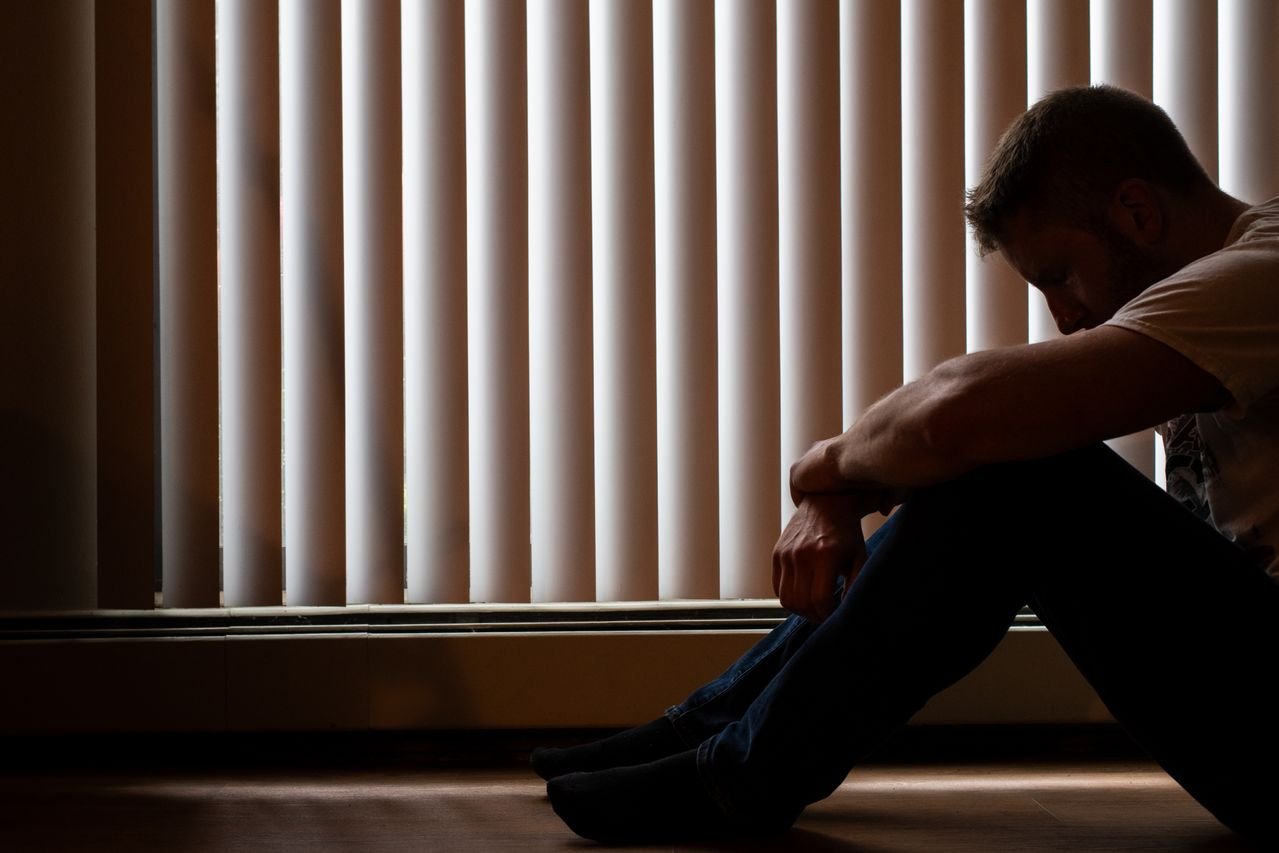
When two people endure the same devastating chapter, like a painful divorce, a sudden job loss, or months of financial strain, it is common to watch one person move through it with relative steadiness while the other sinks into something heavier and harder to name.
Our instinct is to reach for character explanations. We call the first person resilient, disciplined, or strong-willed. We quietly wonder if the second person is simply more fragile or not trying hard enough to find their footing.
But depression is not a referendum on willpower or grit. It is a multi-systemic response, shaped by biology, history, and environment, and understanding this can change the entire relationship a person has with their own suffering.
The Diathesis-Stress Model: Where Vulnerability Meets Life
Clinical neuroscience offers a more accurate lens than moral judgment in the diathesis-stress model. This framework describes depression as the interaction between an inherited predisposition and the stressors a person encounters across their lifetime.
Genetic variation influences how the brain manages serotonin transport, dopamine signaling, and brain-derived neurotrophic factor, a protein essential to neural resilience. When someone carrying heightened biological sensitivity meets prolonged adversity, epigenetic changes can occur, meaning the expression of certain genes shifts even though the underlying DNA remains the same.
Over time, this can prime the hypothalamic-pituitary-adrenal axis toward chronic hyper-reactivity and low-grade neuroinflammation. For a nervous system already primed this way, a difficult life event does not simply produce sadness. It can trip an already-overloaded circuit, and the brain shifts into an energy-conservation state that we recognize clinically as depression.
An Invisible Compounding Load
The people who appear to weather hardship most easily often carry an unseen advantage: a nervous system regulated by secure early attachment, consistent physiological stability, and dependable social support. Those who develop depression, by contrast, are frequently carrying an invisible accumulation of unresolved developmental stress, undiagnosed neurodivergence, chronic inflammation, or long-standing isolation.
When a crisis finally arrives, it is rarely the sole cause of collapse. More often, it is the final weight added to a system that has been quietly working in survival mode for a long time, sometimes for years before anyone noticed the strain.
Understanding Early Wiring and the Body's Baseline
Depressive vulnerability is also deeply relational. Early childhood environments teach the nervous system what safety feels like, and when that safety was inconsistent or absent, the body often develops a lower threshold for stress in adulthood.
Somatic-based approaches such as Brainspotting and somatic experiencing exist precisely because talk alone cannot always reach these deeply rooted patterns. Healing frequently requires working with the body, not only the mind, to help the nervous system recognize that danger has passed and safety is once again available.
From Self-Blame to Biological Understanding
Recognizing depression as a neurobiological response, rather than a personal failing, is a profoundly liberating shift. It releases a person from the exhausting habit of measuring their pain against someone else's coping.
Your nervous system, shaped by its own genetics, history, and environment, is responding exactly as its wiring predicts it would. This does not mean healing is out of reach. It means healing begins somewhere different: with compassion for the system you actually have, and consistent support for the biology beneath the struggle.
If you find yourself carrying more than you can explain and wondering why healing feels harder for you than it appears to for others, depression therapy can make a difference. Working with a therapist who knows the nervous system can help you make sense of your story and begin moving toward lasting change.
Our team at Catalyst Counseling specializes in supporting individuals who look capable on the outside while struggling internally. Continue browsing our website to learn more or schedule a consultation.