



What Is Complex Trauma? Understanding Its Impact on Mental Health
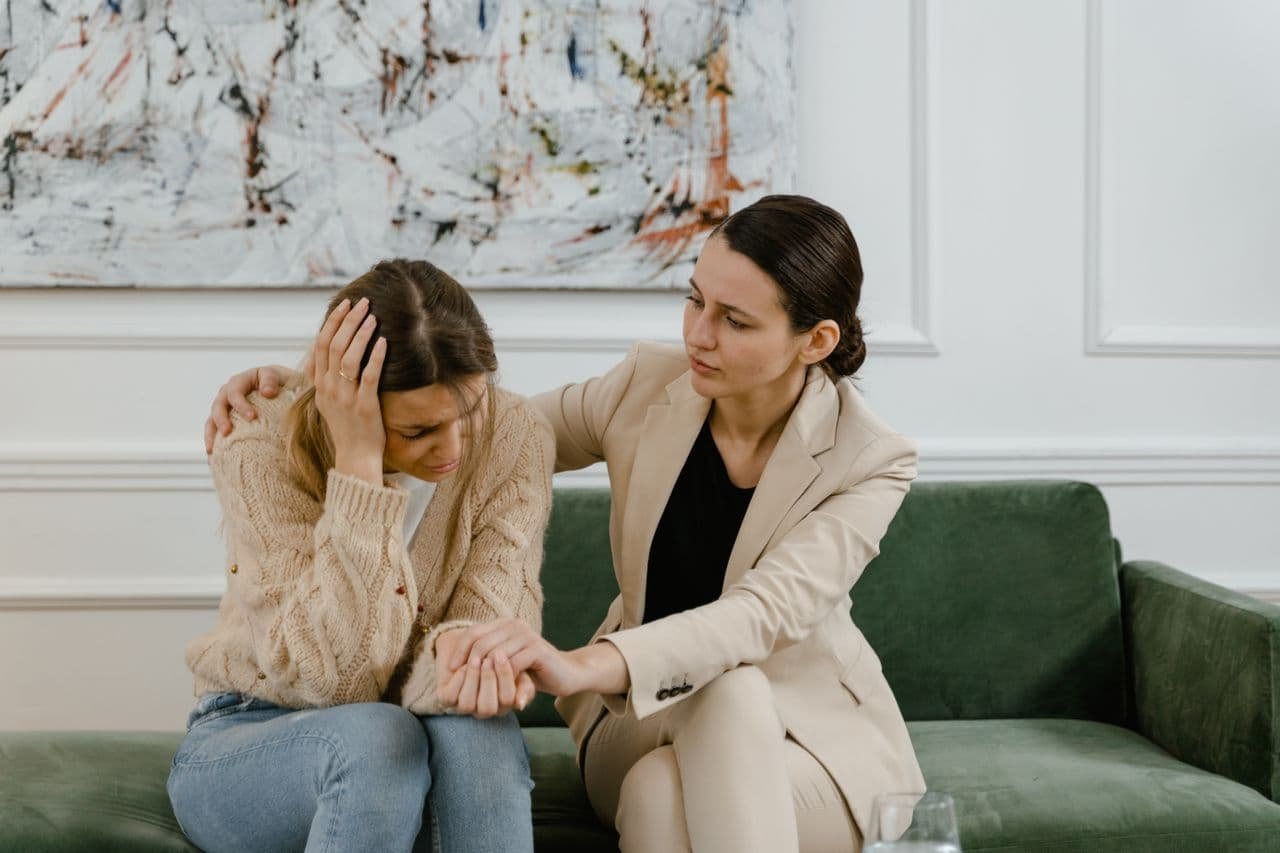
When most people hear the word trauma, they picture a single dramatic moment, like a car accident, a natural disaster, an assault, or a tour of combat. Our cultural imagination is built around isolated shocks, and so we assume that trauma must announce itself as one clear, cinematic event.
This is why so many high-achieving, deeply capable individuals feel confused by their own internal experience. They carry chronic emotional instability, a persistent sense of shame, or a quiet distrust of nearly everyone around them, yet they cannot point to one incident that explains it.
Society often responds by minimizing this pain. It suggests that these individuals are simply too sensitive or should have moved on from a difficult childhood by now. Clinically, however, trauma is not confined to single events. Complex trauma describes the lasting impact of repeated, prolonged, and interpersonal harm, particularly harm from which escape felt impossible, and it fundamentally reshapes how a person relates to themselves, their emotions, and the world.
How Prolonged Threat Rewires the Nervous System
To understand why complex trauma feels so pervasive, it helps to consider the biology beneath it. When a child grows up within chronic emotional neglect, instability, or invalidation, the amygdala, the brain's threat detection center, never fully stands down. Rather than experiencing brief spikes of fight-or-flight that settle back to baseline, the developing nervous system remains soaked in stress hormones for years at a time.
To survive, the brain adapts. Its resting state shifts toward constant hyper-vigilance or a protective numbness. Because the source of danger is often a caregiver or another trusted figure, the nervous system is caught in an agonizing bind, torn between the instinct to seek closeness and the instinct to flee.
The Three Core Wounds of Complex Trauma
Complex trauma extends beyond the flashbacks and avoidance associated with classic PTSD. It layers on three deeper relational wounds.
The first is severe difficulty regulating emotion, an inability to soothe overwhelming internal storms once they begin.
The second is chronic relational disturbance, an ingrained belief that others are ultimately unsafe or destined to leave.
Often, the most painful is the third. It is a persistent negative self-concept rooted in toxic shame. It is the conviction that one is not simply someone to whom bad things happened, but someone who is fundamentally flawed.
Together, these wounds act as a filter through which present-day safety is continuously, and inaccurately, read as danger.
Pathways Toward Healing
Recovery from complex trauma asks us to move beyond intellectual insight and into the body itself. Genuine healing tends to prioritize somatic safety before memory retrieval, using breathwork, grounding, and gentle physical containment to expand the body's capacity to hold emotion.
It also involves gently deconstructing the inner critic, recognizing that harsh self-judgment began as a survival script designed to keep a child small and protected. Relational, body-based approaches offer particularly effective anchors here. So does the lived experience of a safe relationship in which conflict can occur and repair can genuinely follow.
Next Steps
Recognizing your patterns of hyper-vigilance, distrust, and exhaustion as intelligent survival adaptations, rather than personal failings, can be extraordinarily liberating. These patterns are not proof of a broken character. They are evidence of a nervous system that did precisely what it needed to do to keep you alive.
Healing does not require you to remain in the past forever. It asks only that you continue offering your body safety, patience, and connection, one grounded moment at a time.
If this description resonates with your own story, know that support is available through complex trauma therapy. Our office specializes in helping individuals make sense of their internal world. Contact us to learn more and take the next step toward healing.