



Why Anxiety Peaks at Night and How to Calm It
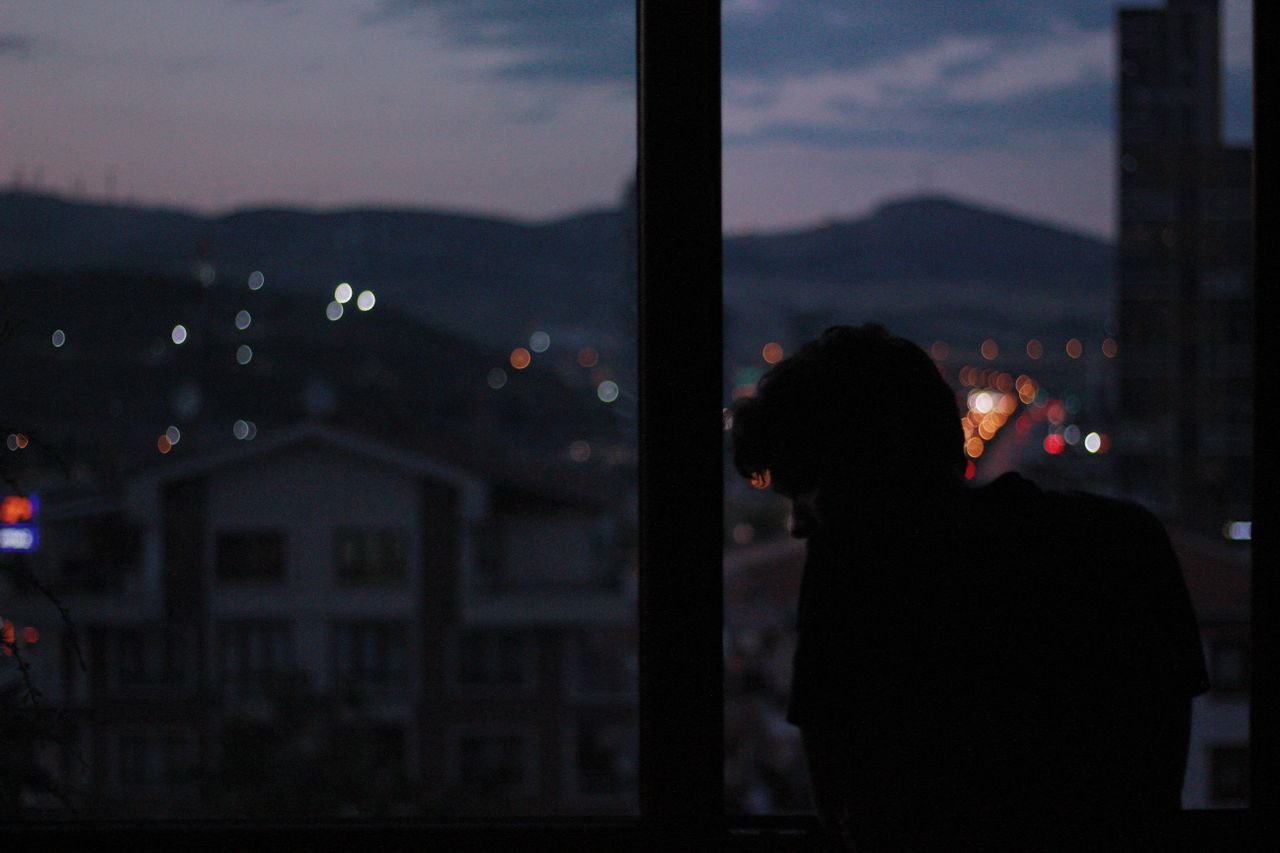
Anxiety often gets louder at night, just when the body is supposed to rest. Understanding why this happens makes it easier to meet the racing thoughts at 2 a.m. with something other than a fight.
What Changes When the Day Goes Quiet
All day, you move through meetings, messages, decisions, and people who need something from you. That activity gives worry a job to do and keeps it at the edge of your attention. Once the last task is finished, nothing is left to perform, and whatever you have been holding at arm's length moves to the center of the room. For many high-achieving people, staying busy has been the most reliable way to avoid feeling anything, and bedtime takes that option away.
Fatigue plays a part as well. A tired brain is poor at keeping a worry in proportion, so a small concern about tomorrow's presentation can grow into a verdict on your whole life. The brain is part of the body, and a body that has been braced for hours does not unclench simply because the lights go off.
The Loneliness Under the Lists
Night is also when you are most alone with yourself. Many capable, successful people quietly believe they have to earn their place with others, and they keep a flawless surface going all day. The cost shows up in the dark when no one is watching and no one is being impressed. The anxiety may be less about the to-do list than about the question beneath it, which is whether anyone would stay if you stopped performing.
That is worth sitting with gently, and it begins with how kindly you treat yourself in these hours. Rest is allowed even on a day when you feel you have not earned it.
Calming the Body First
Since the alarm is physical, begin with the body rather than the argument in your head. Make your exhale longer than your inhale, feel the weight of your body against the mattress, press your feet flat into the floor, or rest a hand on your chest. These are small signals of safety, and they reach the nervous system more directly than any attempt to out-reason a frightening thought at midnight.
Practice noticing what is happening moment to moment without judging it. "My chest is tight and my mind is racing" is an observation. "I am failing at sleep" is a second layer of struggle piled on top of the first. Making peace with the moment, including the fact that you are awake and anxious right now, takes away the anxiety about being anxious, which is often the part that keeps you up longest.
Giving the Worry Somewhere to Go
Earlier in the evening, and away from your bed, write down what feels unfinished. Journaling gives the mind a place to leave its lists, so it doesn't have to rehearse them all night. You can also name the part of you that is afraid, as in "a part of me is worried I will let people down," and answer it the way a steady adult would answer a frightened child. That kind of reparenting is plain and kind, and it does not try to fix anything.
Cognitive behavioral therapy adds structured ways to sort the thoughts that spin after dark, separating a real problem you can address in daylight from a fear that is simply looping. Learning to tell the difference in the moment is a skill that grows with practice.
When Nights Stay Hard
If the worry returns night after night, or you dread bedtime itself, you do not have to keep white-knuckling through it alone. Anxiety treatment can help you understand your own patterns, settle your body, and stop treating every night as a test you must pass. Contact our office to set up an appointment.