


Art Therapy for Mental Health: What Makes It Work?
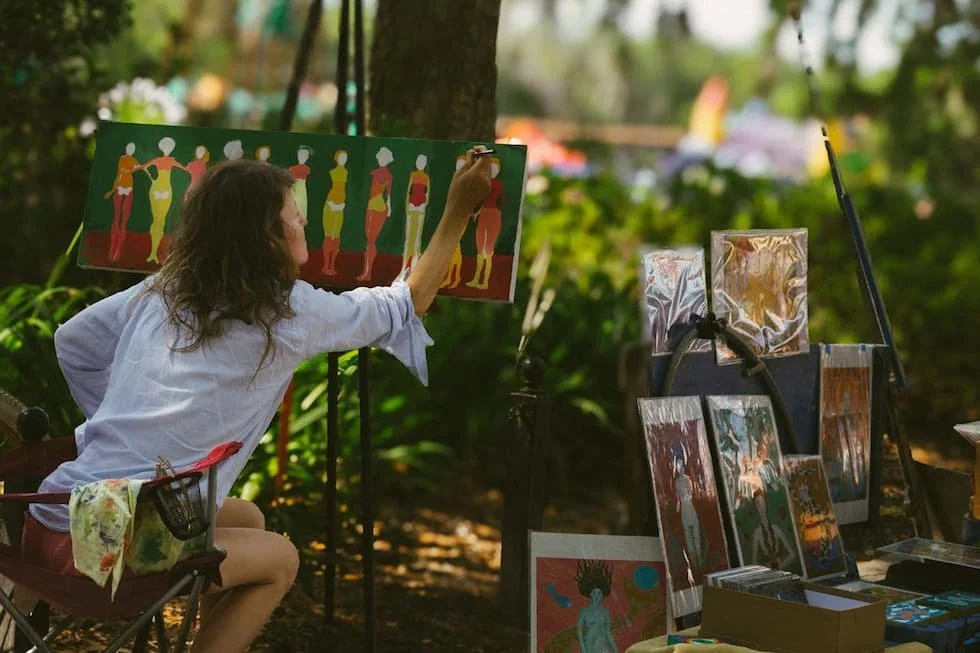
Art therapy is not about creating something beautiful or proving you have artistic talent. It is about expression, processing, and accessing experiences that often resist being captured in words. For people who feel stuck in traditional talk therapy or struggle to articulate what they are feeling, art therapy offers a different pathway toward healing.
More Than Just a Creative Outlet
Art therapy is a structured therapeutic approach led by trained, licensed art therapists who understand both mental health and the creative process. This is not a casual craft session or a DIY Pinterest project. There is intention, theory, and clinical skill behind it. The goal is not to produce gallery-worthy work but to use the creative process as a tool for exploration, insight, and emotional regulation.
When Words Fall Short
One of the most significant reasons art therapy works is that it bypasses language entirely. Many emotional experiences, particularly trauma, grief, and early attachment wounds, are stored in parts of the brain that do not respond well to verbal processing alone. When words fall short, images, colors, shapes, and movement can communicate what language cannot. This is especially important for people who have experienced trauma or who intellectualize their emotions as a defense mechanism.
Calming the Nervous System
Art therapy also helps regulate the nervous system. The act of creating, whether through drawing, painting, sculpting, or collage, can be grounding. It slows the mind down and brings attention into the present moment. For people dealing with anxiety, overwhelm, or emotional shutdown, this kind of sensory engagement can be deeply stabilizing. The repetitive motions involved in art-making activate the parasympathetic nervous system, which is responsible for calming the body after stress.
Creating Distance from Overwhelming Emotions
Another powerful aspect of art therapy is externalization. Art allows you to take something that feels overwhelming or chaotic inside and place it outside of yourself. Once it is on the page, it becomes easier to observe, discuss, and understand. That small bit of distance can make intense emotions feel more manageable. Instead of being consumed by what you are feeling, you can look at it, reflect on it, and begin to work with it.
Art therapy is particularly effective when working with children and teens, who do not always have the vocabulary adults possess. However, it is equally powerful for adults, especially those who feel stuck or who tend to over-analyze their emotions. Art invites a different kind of knowing, one that is intuitive, embodied, and often surprising.
Reclaiming Choice and Control
There is also something profoundly meaningful about choice and control in art therapy. You decide what materials to use, what to create, and when something feels finished. For people who have experienced trauma or felt powerless in other areas of life, these small acts of agency can be incredibly empowering. Even the simplest decisions can restore a sense of autonomy and self-determination.
And no, you do not need talent. This is the concern most people express when considering art therapy. The work is not graded. There is no right or wrong outcome. The value lies entirely in the process, not the product. Your stick figures are welcome here.
Over time, art therapy can help with emotional awareness, stress reduction, trauma processing, identity exploration, and self-esteem. It opens doors that talking sometimes cannot, and for some people, it becomes the missing piece in their healing journey.
If you have ever felt like your emotions are bigger than words, or like talking alone is not getting you where you want to go, art therapy might be worth exploring. Healing does not always start with saying the right thing. Sometimes it starts with picking up a pencil and seeing what shows up.
If you are curious about whether art therapy or other creative therapeutic approaches might be a good fit for you, reach out to us.